
Autonomous Systems
Try specific terms like 'kinematics', 'motion planning', or 'topology'.
In-depth coverage and expert perspectives
Page 1 of 1
Integrating dynamic physical constraints directly into motion planning to ensure feasible, robust, and safe autonomous execution in real environments.
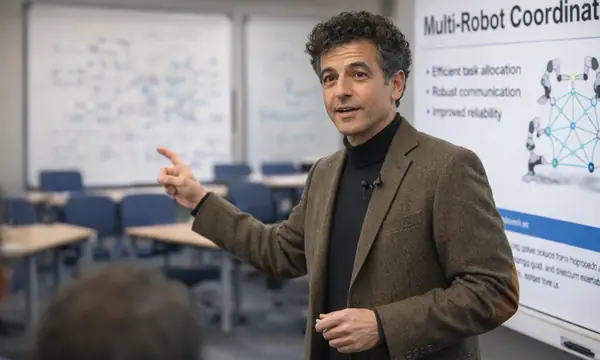
Designing computational frameworks that effectively bridge high-level reasoning with low-level control for functional, end-to-end autonomy.
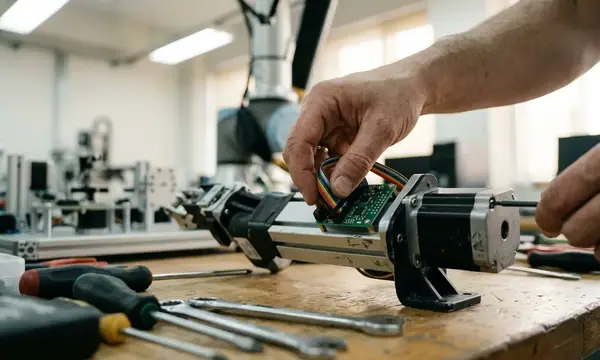
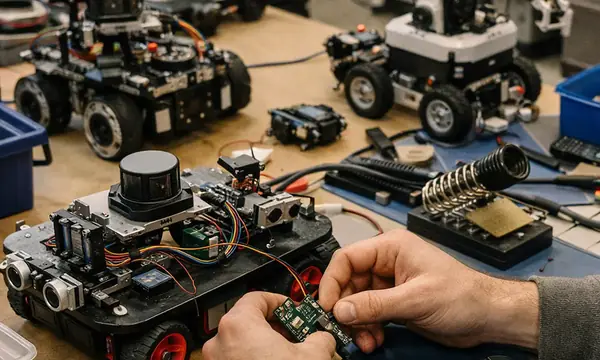
Rigorous testing of theoretical models on physical platforms to verify performance, reliability, and scalability in unstructured settings.
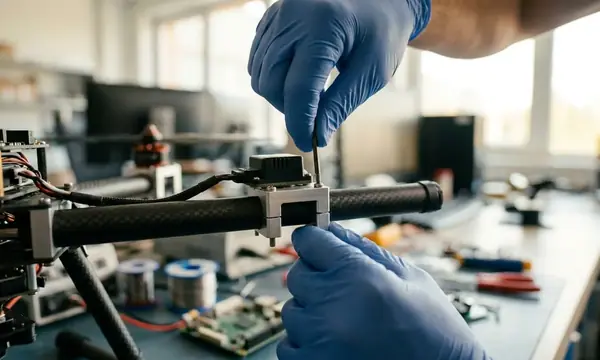
Physics-aware autonomy is where robotics stops being a clean optimization problem and starts behaving like hardware: friction shifts, contacts stick and slip, and sensors lie in ways that matter. The work that holds up in the lab tends to share a pattern—explicit constraints where they belong, estimation tied to physical observables, and control that respects actuation limits instead of assuming them away.
In practice, the fastest progress comes from treating architecture and methodology as first-class research objects. According to performance logs, many “algorithm failures” are interface failures: timing jitter between modules, mismatched frames, or planners that ignore what the controller can actually track. System validation confirmed that closing those gaps early makes later learning and optimization less brittle, though contact-rich tasks still punish oversimplified models in ways that only show up on real platforms.